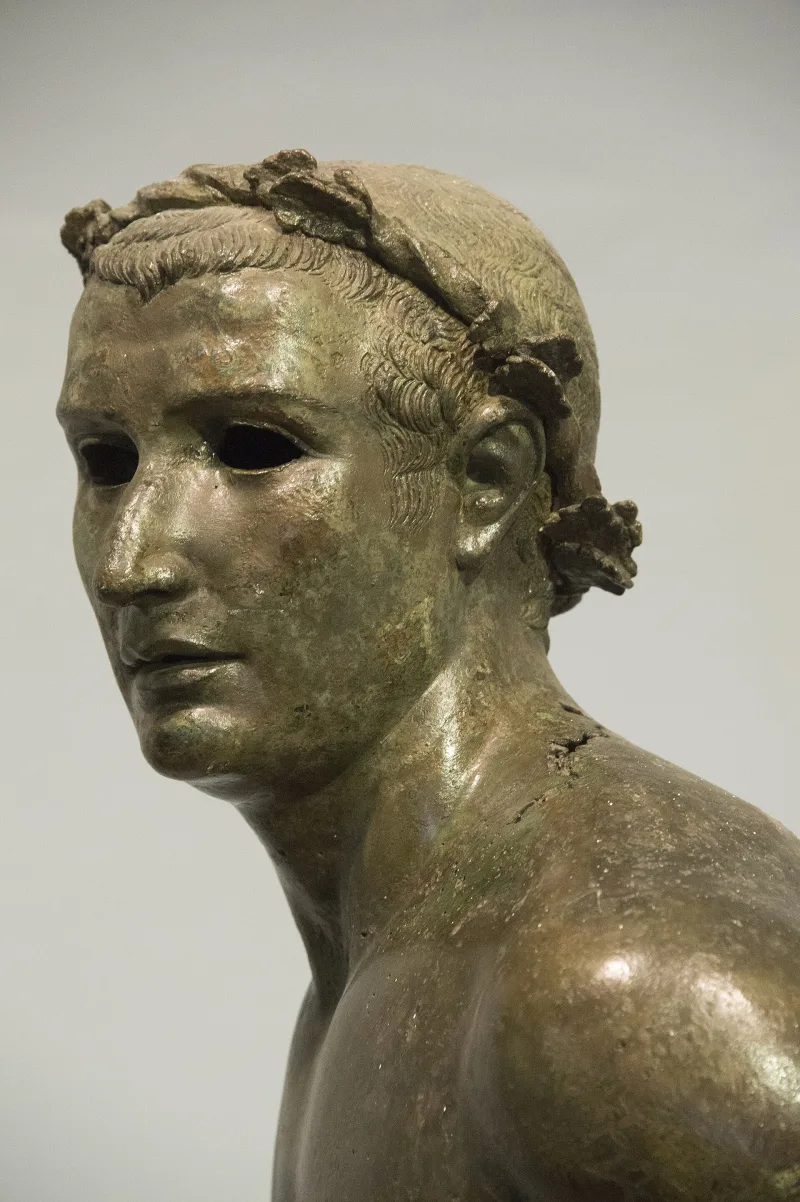
Izmir Archaeology Museum

Izmir Archaeology Museum: Aegean Antiquity Under One Roof

In the Konak district, just a few minutes’ walk from the famous square of the same name and the Clock Tower, lies one of Turkey’s most significant archaeological museums—the İzmir Archaeology Museum. Here, artifacts from the great Ionian cities converge: Smyrna, Ephesus, Pergamon, Miletus, Aphrodisias, Klazomenai, Teos, and Iasos. This is not merely a local collection of antiquities, but a comprehensive regional archive of the ancient Aegean coast—a place without which it is difficult to truly understand Izmir and its surroundings.

History of the Museum

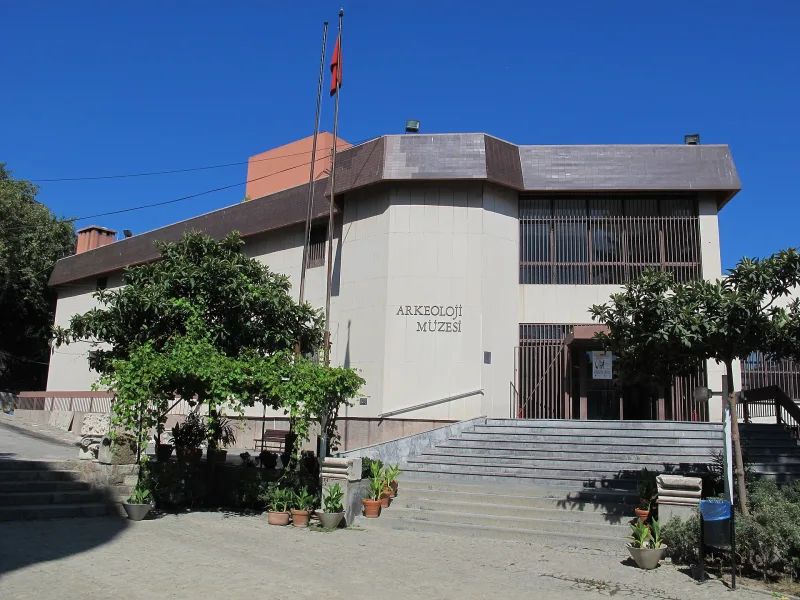
The museum was founded in 1924, during the early years of the Turkish Republic, and opened its doors to visitors in 1927. Initially, the collection was housed in more modest premises, but over time the holdings grew so much that in 1984 a new building was constructed specifically for the museum in the Konak district—the very one where the exhibition is located today. Two gardens are laid out in front of and behind the facade: they extend the exhibition into the open air and tell the story of Western Anatolia through large architectural fragments.

The museum has regional, rather than local, status. This is because its collection includes artifacts from all the key ancient centers along the Aegean coast, and Izmir itself (ancient Smyrna) has been one of the region’s major ports and cultural crossroads for millennia.

The Collection and What to See

Prehistoric and Bronze Ages

The exhibition begins with the earliest evidence of human life along the Aegean coast. Stone tools, pottery, and household items provide insight into the Neolithic and Bronze Age cultures that preceded the flourishing of the Ionian cities.

Greek and Roman Halls

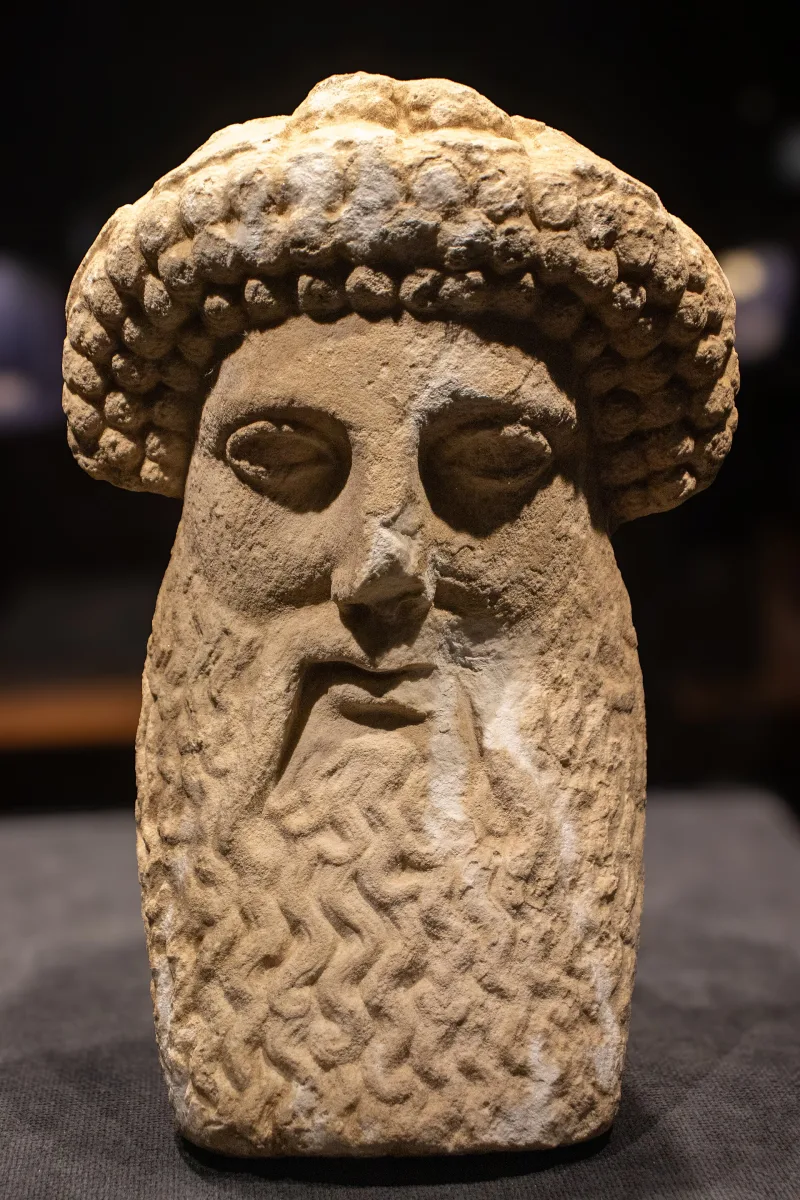
The core of the collection consists of sculptures, reliefs, and architectural details from the great ancient cities. Here you can see a marble head of Hermes from the Roman period, as well as busts, torsos, and elegant figurines from the Hellenistic era. Of particular interest is a bronze statuette of Demeter, demonstrating the highest level of ancient metalwork.

Ceramics and Household Objects

Various types of Greek vessels—lebes, oinochoes, black-figure and red-figure vases—illustrate the evolution of the region’s ceramic art. Nearby are displayed jewelry, coins, lamps, and tools—all the elements that made up the daily life of the inhabitants of Smyrna and neighboring cities.

Museum Gardens

The inner and outer courtyards form a separate open-air exhibition. Here you’ll find sarcophagi, columns, capitals, funerary stelae, and architectural blocks that couldn’t be displayed indoors. A stroll through the gardens is the perfect way to catch your breath between galleries.

Connections to Bayraklı and Klazomenai

Special attention should be paid to the finds from Bayraklı (the oldest layer of Smyrna) and Klazomenai: they show how the urban culture of the coast developed long before the Roman conquest. This is a rare opportunity to see artifacts, most of which have never left Turkey.

Interesting Facts

  • The İzmir Archaeology Museum is considered one of the first archaeological museums built in Western Anatolia—it is four years older than the Republic of Turkey itself in its modern cultural institutions.
  • Ancient Smyrna was (according to one account) the birthplace of Homer. Many of the museum’s finds come from layers that may have witnessed the city during the time of the first performances of the “Iliad” and the “Odyssey.”
  • The İzmir Ethnography Museum operates in the adjacent building, forming a single complex with the Archaeological Museum—both are part of Turkey’s state museum system.
  • The museum’s gardens serve as an open-air lecture space: in the summer, educational programs and concerts are held here against the backdrop of ancient sculptures.
  • The collections are regularly expanded: each excavation season in Ephesus, Pergamon, and Klazomenai brings new artifacts, some of which, after study, are added to the İzmir Archaeology Museum.

How to get there

The museum is located in the Konak district, on the hill of Bahribaba Park, a few minutes’ walk from Konak Square and the waterfront. The nearest İZBAN metro station is Konak; from there, it’s a 10–15-minute walk uphill to the museum. From the Konak Vapur Iskelesi pier (ferries from Karşıyaka and other districts across the Gulf of İzmir), it’s about a 15-minute walk.

From Adnan Menderes Airport (ADB), it’s convenient to take the İZBAN train, transfer to a tram, or take a taxi to Konak. The museum’s GPS coordinates are 38.4139° N, 27.1281° E.

Tips for travelers

Allow at least two hours for your visit: the collection is extensive, and it’s difficult to see everything on your first visit. If time is limited, focus on the Hellenistic and Roman sculpture galleries—these are the highlights of the exhibition.

It’s best to combine your visit with a stroll through Konak Square, the Kemeralti Bazaar, and a hike up to Kadifekale (an ancient fortress on Mount Pagos)—in a single day, you can get a complete picture of Izmir’s historic center. The Izmir Ethnography Museum is also nearby, and you can often get a combined ticket for both.

Photography is permitted in most rooms without a flash. Bring water and comfortable shoes—the path from the square to the museum is uphill. Check prices and schedules before your visit on the Ministry of Culture’s official website. To understand ancient Asia Minor, the İzmir Archaeology Museum is a must-see alongside Ephesus and Pergamon themselves.
Your comfort is important to us, click on the desired marker to create a route.
Meeting for minutes before
Yesterday. 17:48
Frequently asked questions — Izmir Archaeology Museum Answers to frequently asked questions about Izmir Archaeology Museum. Information about the service's operation, capabilities, and use.
The İzmir Archaeology Museum is a regional archaeological museum that covers not just one city, but the entire Aegean coast. Its collection includes artifacts from Ephesus, Pergamon, Miletus, Aphrodisias, Klazomenai, Smyrna, and other Ionian centers. This makes the museum unique: visitors can get a comprehensive picture of the ancient world of western Anatolia in a single visit, without having to travel to all the archaeological sites.
Particularly noteworthy are the marble head of a Hermes herma from the Roman period, Hellenistic busts and torsos, and a bronze statuette of Demeter—an example of the highest level of ancient metalwork. Among the ceramics, black-figure and red-figure vases stand out, demonstrating the evolution of the region’s pottery. Finds from Bayraklı (the oldest layer of Smyrna) and Klazomenai reveal the urban culture of the coast during the pre-Roman era.
According to one historical account, ancient Smyrna is the birthplace of Homer. Some of the artifacts in the museum date back to cultural layers that existed during the period when, according to legend, the *Iliad* and the *Odyssey* were composed. There are no direct “Homer artifacts” anywhere in the world, but the exhibition from Bayraklı vividly illustrates what the city was like during that era.
The museum was founded in 1924 and opened to the public in 1927—it predates many of the Republic of Turkey’s cultural institutions. Originally, the collection was housed in a different building, but by 1984, the collection had grown so much that a new building was constructed specifically for the museum in the Konak district—the historic center of Izmir. This location makes sense: nearby are Konak Square, the Clock Tower, the waterfront, and the Ethnography Museum, which forms a single complex with it.
The two gardens—the inner and outer gardens—serve as an open-air exhibition space. They feature sarcophagi, columns, capitals, funerary stelae, and large architectural blocks that did not fit into the exhibition halls. In addition to being a place for viewing, the gardens are used as a lecture space: in the summer, educational programs and concerts are held here against the backdrop of ancient sculptures.
The collection consists of artifacts discovered in the ancient cities along the Aegean coast: Smyrna, Ephesus, Pergamon, Miletus, Aphrodisias, Klazomenai, Teos, Iasos, and several others. Excavations at these sites continue every season, and some of the new finds are added to the collection of the İzmir Archaeology Museum after being studied.
Photography is permitted without a flash in most galleries. We recommend checking the current rules on the official website of the Turkish Ministry of Culture before your visit, as conditions may change, especially for temporary exhibitions.
The best times to visit are spring and fall: the weather is pleasant for strolling through the gardens and combining your visit with a walk through Izmir’s historic center. In summer, the city gets hot, which is especially noticeable on the walk up to the museum from Konak Square. The museum is also open in winter, but the gardens feel quite different then.
The İzmir Ethnography Museum is located in the adjacent building—both are part of Turkey’s national museum system. You can often purchase a combined ticket or use the MüzeKart, which grants access to most of the country’s national museums. It’s best to check the current terms and conditions on-site or on the official website.
The museum is located on a hill in Bahribaba Park, and the walk from Konak Square or the waterfront is uphill—about a 10–15-minute walk. The climb is moderate, but on a hot day or with children, it can seem tiring. A taxi or ride-hailing app will save you the effort; you can also take a minibus from the İZBAN Konak station or grab a taxi right outside the station.
Yes, the collection spans a wide time period—from stone tools to Roman sculptures—which makes it possible to present a clear historical timeline for children. Open-air gardens with large objects (columns, sarcophagi) attract children more than display cases. It is recommended to set aside 1–1.5 hours in advance and focus on a few galleries, without trying to see everything.
Hours of operation and admission fees may vary depending on the season and public holidays. The most up-to-date information is available on the official website of the Turkish Ministry of Culture and Tourism. You can also check the details on Google Maps or by calling the museum directly before your visit.
User manual — Izmir Archaeology Museum Izmir Archaeology Museum User Guide with a description of the main functions, features, and principles of use.
Plan your visit for a weekday in spring or fall: there are fewer tourists, and the weather is pleasant for strolling through the gardens. Allow at least 90 minutes just for the museum; if you plan to combine your visit with the Museum of Ethnography and a walk through Kemeralti, set aside half a day.
From the center of Izmir, the easiest way is to take the İZBAN train to Konak Station, then walk uphill for 10–15 minutes. Ferries run from the other side of the bay to the Konak Vapur Iskelesi pier—from there, it’s about a 15-minute walk to the museum. From Adnan Menderes Airport (ADB), take the İZBAN train with a transfer. GPS: 38.4139° N, 27.1281° E.
The ticket offices are located at the museum entrance. If you have a MüzeKart, it grants you access to most of Turkey’s state museums, including the İzmir Archaeology Museum. Ask at the ticket office about the possibility of a combined ticket with the neighboring Ethnography Museum—this is often a better deal. Check the Ministry of Culture’s website for current prices before your visit.
If you're short on time, head straight to the Greek and Roman galleries: this is where the main exhibits are concentrated—marble sculptures, a bronze statuette of Demeter, and reliefs from Ephesus and Pergamon. Then move on to the ceramics and household items to get a sense of daily life in the ancient coastal cities.
Between the halls, step out into the open courtyards: the inner and outer gardens house large architectural fragments—sarcophagi, columns, capitals, and stelae. This is a great opportunity to take a break while continuing your tour. Be sure to bring water—it gets hot in the sun during the warmer months.
After visiting the museum, head down to Konak Square: take a look at the Clock Tower and the Konak Yali Mosque. From there, walk to the Kemeralti Bazaar—one of Turkey’s largest historic markets. If you’re up for it, climb up to Kadifekale Fortress on Mount Pagos: it offers a panoramic view of the entire bay. While you’re there, stop by the İzmir Ethnography Museum next to the archaeological museum.